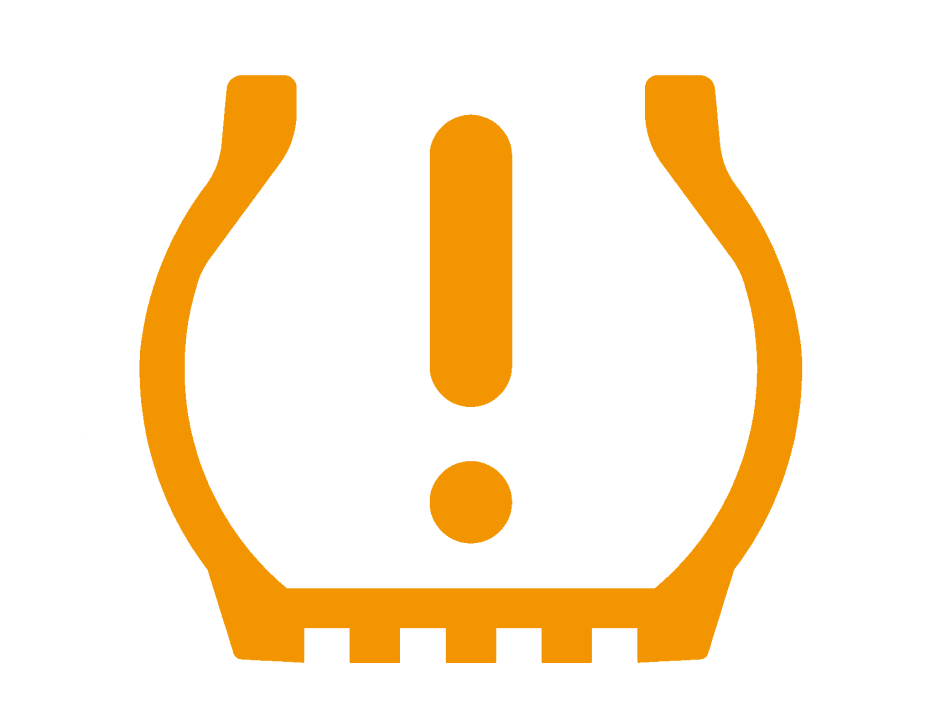
What does TPMS stand for?
TPMS stands for Tyre Pressure Monitoring System. It is a vehicle safety system designed to monitor tyre pressure and alert the driver if one or more tyres are under-inflated or if there is a fault with the monitoring system.
If you are driving in London or Essex and your TPMS warning light comes on, it usually means your tyre pressures need checking or your vehicle may need professional TPMS diagnostics.
Why is TPMS important?
Correct tyre pressure helps your vehicle handle properly, reduces tyre wear and can improve fuel efficiency. Low tyre pressure can also increase stopping distances and raise the risk of tyre damage.
Why is your TPMS warning light on?
A TPMS warning light usually appears when tyre pressure is too low or when there is a fault with the tyre pressure monitoring system. Sometimes the light comes on after a temperature change, tyre replacement, wheel change or sensor failure.
If the warning light stays on after setting the correct tyre pressures, the issue may be a faulty TPMS sensor, a flat sensor battery or a system that needs programming.
How does TPMS work?
There are two main types of TPMS: direct TPMS and indirect TPMS. Both are designed to warn you about tyre pressure issues, but they work in different ways.
Direct TPMS
Direct TPMS uses sensors fitted inside the wheels to measure tyre pressure in real time. These sensors send pressure information to the vehicle. If pressure drops too low or a sensor fails, the TPMS warning light may come on.
Indirect TPMS
Indirect TPMS does not use pressure sensors inside the wheels. Instead, it uses the vehicle’s ABS and wheel speed system to detect changes in tyre rotation that may suggest low pressure.
Can TPMS sensors fail?
Yes. TPMS sensors do not last forever. Over time, the internal battery can run out, the valve can corrode, or the sensor can be damaged during tyre work.
When this happens, the TPMS light may stay on even if your tyre pressures are correct. If you think this may be the issue, read our guide on whether TPMS sensors need replacing.
Can TPMS sensors be replaced and programmed?
Yes. Faulty TPMS sensors can usually be replaced, but many vehicles also need the new sensor programmed or relearned to the vehicle. This is where proper equipment matters.
At Fix My TPMS, we provide TPMS diagnostics, sensor replacement and TPMS programming across London and Essex. We diagnose the fault first so you know whether the issue is tyre pressure, a faulty sensor or a programming problem.
When should you get your TPMS checked?
You should get your TPMS checked if:
- Your TPMS warning light stays on.
- Your TPMS light flashes and then remains on.
- Your tyre pressures are correct but the light is still on.
- You have replaced tyres or wheels and now have a warning light.
- You suspect a faulty TPMS sensor.
- You need TPMS sensor replacement or programming.
TPMS diagnostics in London and Essex
If your TPMS warning light is on, a proper diagnostic check can save time and prevent unnecessary parts being replaced. Fix My TPMS helps drivers across London and Essex identify the cause of TPMS faults and fix them correctly.
If you need help, view our TPMS services or contact us for diagnostics, sensor replacement and programming.
Related guides
- Direct vs Indirect TPMS
- Do TPMS Sensors Need Replacing?
- TPMS diagnostics, replacement and programming services
Frequently asked questions
What does TPMS mean on a car?
TPMS stands for Tyre Pressure Monitoring System. It monitors tyre pressure and warns you when pressure is too low or when there is a fault with the monitoring system.
Why does my TPMS warning light stay on?
If your TPMS warning light stays on, your tyre pressure may be low, a TPMS sensor may have failed, or the system may need resetting or programming.
Is it safe to drive with a TPMS warning light?
You should check your tyre pressures as soon as possible. If the pressures are correct but the light remains on, the TPMS system should be diagnosed to check for sensor or programming faults.
Do TPMS sensors need replacing?
Yes, TPMS sensors can fail over time because of battery life, corrosion or damage. If a sensor is no longer communicating with the vehicle, it will usually need replacing and programming.
Can Fix My TPMS help in London and Essex?
Yes. Fix My TPMS provides TPMS diagnostics, sensor replacement and programming across London and Essex.
Need help with a TPMS warning light?
If your TPMS light is on and you are not sure why, Fix My TPMS can help. We provide professional TPMS diagnostics, sensor replacement and programming across London and Essex, helping drivers get the correct fix without guesswork.